Posts Tagged ‘ICN’
Safe Meals for Field Trips

July is National Picnic Month, a great time to take children outside to explore parks, nature, or community events. But just like any mealtime at your program, food safety is important when you are away from the center. Our partners at ICN show how to pack, store, and serve meals safely for field trips while meeting the Child and Adult Care Food Program (CACFP) requirements.
Read MoreStoring Fruits and Veggies Safely
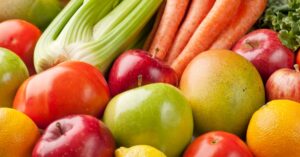
When you handle and store fruits and vegetables correctly, they stay fresh and safe for the children in your care. Our partners at ICN have tips for cleaning and storing produce to help prevent waste and keep food safe.
Read MoreEgg Allergy Awareness

Food Allergy Awareness Week (May 10–16) is a great time to review how your program keeps children safe from food allergies. One of the most common allergies in young children is eggs. In this Mealtime Memo, our partners at ICN crack open the basics of egg allergy safety.
Read MoreBoost Your Program with Social Media

Social media is a simple and low-cost way to share the great things happening in your program. You can post about healthy meals, celebrate staff and children, or show your involvement in the CACFP. This Mealtime Memo from our partners at ICN provides creative ideas to engage with families while promoting the high-quality work your program does every day.
Read MorePower Up with Protein

Protein is a key part of a healthy diet. It helps children grow strong by building muscles, repairing tissues, supporting the immune system, and giving the body energy. Our partners at the Institute of Child Nutrition define protein, highlight its importance, and provide common food sources.
Read MoreFueling Young Minds
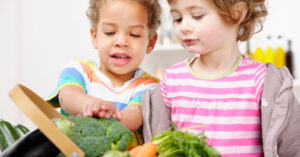
Every day, you do more than care for children—you help them grow strong and healthy. One of the best ways to support this growth is by serving nutritious meals and snacks. Our partners at ICN explore how healthy eating supports brain development, learning, and lifelong habits.
Read MorePreventing Lead Poisoning

This Mealtime Memo from our partners at ICN defines lead, identifies lead sources, describes the health effects of lead exposure, explains why children are at risk, and shares important information on how to prevent lead poisoning.
Read MoreIntroducing Solid Foods to Infants

Infants’ nutritional needs evolve during their first year, and introducing solid foods is crucial in their development. Our partners at ICN provide information to help introduce solid foods smoothly. They cover recommendations for when and how to start, suggest suitable foods, highlight foods to avoid, and provide tips to reduce the risk of choking.
Read MoreGluten-Free Diets
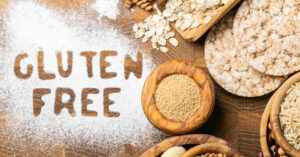
The gluten-free diet has generated a lot of attention in recent years, with some praising its benefits. However, for people who cannot eat gluten due to medical reasons, such as celiac disease or gluten sensitivity, this diet is not a choice but a necessity. Our Partners at the Institute of Child Nutrition defines gluten and how it affects certain individuals, lists foods containing gluten, identifies gluten-free foods, and reviews how to accommodate children who require a gluten-free diet.
Read MoreCooking with Herbs and Spices

Incorporating herbs and spices into recipes enhances flavor, aroma, and color while reducing the need for excess salt, sugar, and fat. Our partners at the Institute of Child Nutrition define herbs and spices, reviews the health benefits of using fresh or dried herbs and spices, and provides ideas for incorporating them into recipes.
Read More