
Posts Tagged ‘meal pattern’
Meal Pattern Minute: Cereals and Grain-Based Desserts
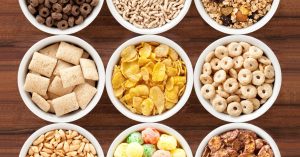
Can breakfast cereals ever be considered a grain-based dessert?
Read MoreMeal Pattern Minute: Soy Yogurt
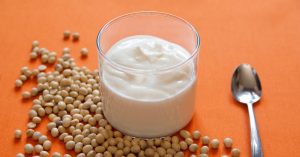
How does soy yogurt fit into the CACFP meal pattern?
Read MoreSeptember Virtual Events

Get a rundown on all things happening at NCA this month!
Read MoreUpdated CACFP Resources
Team Nutrition updated the following training resources for the Child and Adult Care Food Program (CACFP). These resources provide CACFP operators with strategies to encourage healthy choices and healthy outcomes for their participants.
Read MoreSecond Study of Nutrition and Activity in CACFP
USDA released their second report on the Study of Nutrition and Activity in Child Care Settings (SNACS-II), which follow their first in 2022. SNACS-II uses data from program year 2022-23 to assess how well children’s diets and CACFP meals align with the Dietary Guidelines for Americans.
Read MoreJuly Virtual Events

Get a rundown on all things happening at NCA this month!
Read MorePresident’s Budget: Proposed Cuts to Child Nutrition Grants and Training

The White House released the President’s Budget for Fiscal Year 2026, which includes cuts to discretionary spending for Child Nutrition Programs (CNPs). While the budget maintains full funding for Child Nutrition Programs, like the CACFP and SFSP, the cuts to discretionary spending include the Patrick Leahy Farm to School Grant and the Institute for Child Nutrition (ICN), a National Ally of NCA.
Read MoreEnhancing Child Nutrition Program Meal Standards
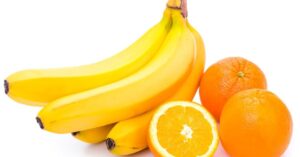
The USDA released a memorandum stating that they support and encourage states and school districts to experiment with meals to provide interesting, healthy, and diverse meals.
Read MoreMeal Pattern Minute: Pureed Vegetables
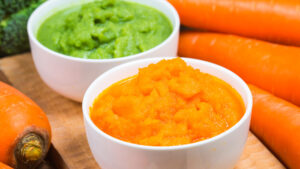
Can a pureed vegetable that is mixed into a dish credit towards the meal pattern?
Read MoreMajor Allergens: The Big Nine
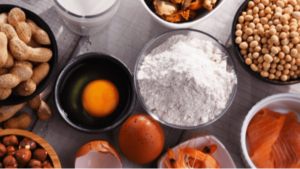
May is Food Allergen Awareness Month. More than 170 foods have been reported to cause allergic reactions, according to Food Allergy Research & Education (FARE), but the vast majority are caused by the “Big Nine”: milk, eggs, nuts, fish, crustaceans, shellfish, wheat, soy and sesame. Our partners at SNA share information on the nine major food allergens.
Read More