
Posts Tagged ‘partner resource’
Healthy Habits: Brain Builders

Parents and caregivers do a lot to help child stay healthy! At mealtime, they choose foods to help them grow strong. At bedtime, they teach them how baths keep us clean. And don’t forget every time they brush their teeth, wash their hands, or move their body.
Did you know these healthy habits help their brain grow flexible and strong, too? The skills they learn from the time you spend together don’t wash down the drain. They last a lifetime!
Unplug and Play

Summer is nearly here, and the school year is winding down. The temptation to swap class time for screen time is strong, but it’s not what children need most. That’s why our partners at Read Aloud 15 Minutes have created summer materials designed to spark creativity and encourage physical activity without relying on screens.
Read MoreMajor Allergens: The Big Nine

May is Food Allergen Awareness Month. More than 170 foods have been reported to cause allergic reactions, according to Food Allergy Research & Education (FARE), but the vast majority are caused by the “Big Nine”: milk, eggs, nuts, fish, crustaceans, shellfish, wheat, soy and sesame. Our partners at SNA share information on the nine major food allergens.
Read MoreLegumes: Beans, Peas, and Lentils

Did you know a simple bag of beans could be the key to powering up your CACFP menus? Legumes like beans, peas, and lentils are versatile, affordable superfoods. Regularly consuming legumes may help reduce the risk of obesity, diabetes, heart disease, and certain cancers. Including them as part of your menu can positively impact the health of the children in your care.
Read MoreScience in Everyday Moments
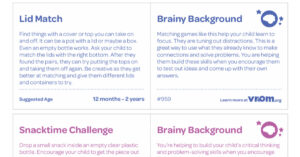
Young children are curious about the world around them. Through the everyday moments you already share, you’re helping your child learn like a scientist. Our partners at Vroom have some brain builders to help you turn nature into a classroom!
Read MoreCulinary Basics: Knife Skills

Ensuring maximum safety in the kitchen is crucial, and following basic knife guidelines is essential for everyone’s well-being. Once knife safety is mastered, this essential skill can lead to an increase in scratch preparation. Our partners at the Institute of Child Nutrition outline the importance of knife safety, skills, maintenance, and storage.
Read MoreQuick Guide to Plant-Based Proteins

Despite the common misconception, you don’t need to rely on meat, dairy, eggs, or other animal products to reach your daily protein goals. Beans, lentils, tofu, whole grains, nuts, seeds, and meat alternatives all contain protein, and these ingredients can often be used in place of chicken, beef, pork, or fish in recipes. Eating a combination of these plant-based ingredients ensures a balanced intake of protein, fiber, and other essential vitamins, minerals, and nutrients.
Read MoreAutism Acceptance Month

April is Autism Acceptance Month! Our partners at Sesame Street in Communities have created new bilingual (English and Spanish) resources to help foster autistic children’s sense of creativity as well as support parents and providers in helping discover and support children’s unique perspective and personality.
Read MorePromoting Healthy Sleep Habits

As early childhood experts, you understand that sleep is not just rest—it’s foundational for healthy development in young children, and it affects everything from brain growth to emotional regulation and physical health. Well-rested children are better able to learn, concentrate, and manage their emotions which are all important for school readiness. Our partners at Child Care Aware of America have some tips to make sure those in your care are well-rested. Plus, find resources from our partners at AAP and Sesame Street in Communities!
Read MoreCACFP Outreach

If you are a child care operator currently participating in the CACFP, congratulations! Your commitment to serving nutritious meals and snacks is crucial in fostering healthy behaviors in young children. This Mealtime Memo from our partners at the Institute of Child Nutrition highlights the benefits of the CACFP for operators, children, and families.
Read More