
Is ravioli creditable in the CACFP?
Read More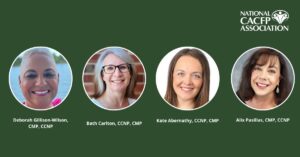
October 2, 2026 The National CACFP Association (NCA) is pleased to announce its Board of Directors and leadership for fiscal year 2027. The new board will serve from October 2026 through September 2027 and represents a diverse range of expertise and many years of experience across the CACFP and SFSP communities. Together, its members will…
Read More
USDA announced that the CACFP and SFSP Area Eligibility Mapper has been updated for fiscal year 2027. Area eligibility is used to determine the tier of family child care homes in the CACFP, as well as the eligibility of CACFP At-Risk Afterschool sites and SFSP summer site.
Read More
For more than four decades, Darcie Decker has helped shape the nutrition programs at Youth & Family Services (YFS) in Rapid City, South Dakota. As Nutrition Director, Darcie oversees both the organization’s on-site meal programs and its Child and Adult Care Food Program (CACFP) sponsorship of family child care homes across much of western South Dakota.
Read More
Over the past year, NCA has worked alongside advocates across the country to elevate the voices of CACFP operators, influence federal policy, engage in regulatory processes, and raise awareness of the program’s impact. From Capitol Hill to federal agencies, these efforts have helped ensure decision-makers understand both the opportunities and challenges facing the CACFP community.
Read More
For CACFP operators looking to purchase locally grown, raised, or caught foods, this guidance outlines the minor changes made by the final rule and provides an overview of geographic preference options.
Read More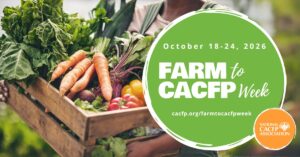
The National CACFP Association (NCA) will celebrate Farm to CACFP Week from October 18–24, 2026, an annual education campaign encouraging child and adult care providers to connect the foods they serve with local agriculture, producers and their communities.
Read More
Each year, the National CACFP Association celebrates Farm to CACFP Week, a national campaign that highlights the many ways child and adult care programs can connect local food, gardening, and agriculture education with the Child and Adult Care Food Program (CACFP). Through these efforts, providers can strengthen community food systems while helping participants build lifelong healthy habits.
Read More
The National CACFP Association (NCA) believes that education and training should be within reach for everyone who serves children and adults in their care. That commitment is why NCA is awarding 92 scholarships to the 2026 CACFP Virtual Summit, providing recipients with free participation in four days of expert-led sessions and connection with peers from across the field.
Read More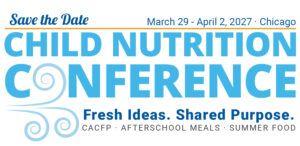
https://www.einpresswire.com/article/918726319/national-cacfp-association-opens-call-for-presentations-at-2027-national-child-nutrition-conference-in-chicago
Read More
The National CACFP Association proudly announces U.S. Senator Richard Blumenthal (D-CT) as the recipient of the 2026 Friend of CACFP Award. This honor recognizes decision-makers who have demonstrated a strong commitment to strengthening and advancing the USDA Child and Adult Care Food Program (CACFP) through leadership, advocacy and meaningful legislative action.
Read More
NCA leaders brought the CACFP story to Las Vegas radio ahead of the 40th annual National Child Nutrition Conference.
Read More
Show your organization’s support for an additional/meal or snack in a full day of care as well as other policy priorities.
Read More
FNS has released guidance on current meal pattern flexibilities and opportunities for State agency and sponsoring organization discretion while monitoring meal pattern compliance during COVID-19 supply chain disruptions.
Read More
FNS has provided clarification on questions related to Child Nutrition Program operations during school year 2021-2022.
Read More
The USDA discusses the Child Nutrition Emergency Operational Cost Reimbursement Program.
Read More
Letter of support delivered to Congressman Jim McGovern.
Read More
FNS has released further instructions and administrative procedures for participation in the Child Nutrition Emergency Operational Costs Reimbursement Programs.
Read More
Behind every CACFP meal is a system of oversight designed to maintain public trust and protect the people the program serves. Sponsoring organizations ensure compliance, accountability and continued access to nutritious meals while providing ongoing technical assistance. Here are resources that explain how program integrity is upheld in the CACFP.
Read More
Exciting news! Head Start programs have an opportunity to access one-time supplemental funds to support nutrition services and healthy eating for enrolled children and families. You can use this funding for staff training on resources and educational opportunities to help your program improve outcomes for children and families and align with USDA requirements – like the CACFP!
Read More
The Child and Adult Care Food Program has new creditable foods listed on the USDA Food Buying Guide! If you are new to the FBG, this interactive tool allows for easy display, search, and navigation of food yield information. In addition, users can compare yield information, create a favorite foods list, and access tools, such as the Recipe Analysis Workbook (RAW) and the Product Formulation Statement Workbook.
Read More
The Child and Adult Care Food Program community asked for more Spanish resources to be available on the National CACFP Sponsors Association website and we heard you! Available now in Spanish are more resources to help sponsors and providers with meal pattern requirements, best practices, and so much more!
Read More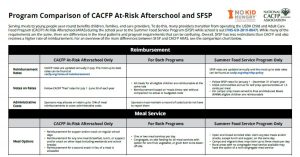
Serving meals to young people year-round benefits children, families, and care providers. To do this, many providers transition from operating the USDA Child and Adult Care Food Program (CACFP) At-Risk Afterschool (ARAS) during the school year to the Summer Food Service Program (SFSP) while school is out. For an overview of the main differences between SFSP and CACFP ARAS, see the comparison chart below.
Read More
NCA understands that the end of flexibilities will cause challenges for many CACFP sponsors and providers and we commend your continued commitment to providing nutritious meals and snacks to the children or adults in your care. In preparation for the end of the additional reimbursement, we have collected the following resources to help you successfully provide meals even if your available budget decreases.
Read More
Is ravioli creditable in the CACFP?
Read More
Is A2 milk creditable in the CACFP?
Read More
Is 100% full-strength gelled juice creditable in the CACFP?
Read More
If a packaged grain has the whole grain stamp, is that item whole grain-rich?
Read More
Can a mixed age group of 1- and 2-year-olds all be served unflavored 1% milk in the CACFP?
Read More
Is rice flour creditable towards the grains component?
Read More
Behind every CACFP meal is a system of oversight designed to maintain public trust and protect the people the program serves. Sponsoring organizations ensure compliance, accountability and continued access to nutritious meals while providing ongoing technical assistance. Here are resources that explain how program integrity is upheld in the CACFP.
Read More
Exciting news! Head Start programs have an opportunity to access one-time supplemental funds to support nutrition services and healthy eating for enrolled children and families. You can use this funding for staff training on resources and educational opportunities to help your program improve outcomes for children and families and align with USDA requirements – like the CACFP!
Read More
The Child and Adult Care Food Program has new creditable foods listed on the USDA Food Buying Guide! If you are new to the FBG, this interactive tool allows for easy display, search, and navigation of food yield information. In addition, users can compare yield information, create a favorite foods list, and access tools, such as the Recipe Analysis Workbook (RAW) and the Product Formulation Statement Workbook.
Read More
The Child and Adult Care Food Program community asked for more Spanish resources to be available on the National CACFP Sponsors Association website and we heard you! Available now in Spanish are more resources to help sponsors and providers with meal pattern requirements, best practices, and so much more!
Read More
Serving meals to young people year-round benefits children, families, and care providers. To do this, many providers transition from operating the USDA Child and Adult Care Food Program (CACFP) At-Risk Afterschool (ARAS) during the school year to the Summer Food Service Program (SFSP) while school is out. For an overview of the main differences between SFSP and CACFP ARAS, see the comparison chart below.
Read More
NCA understands that the end of flexibilities will cause challenges for many CACFP sponsors and providers and we commend your continued commitment to providing nutritious meals and snacks to the children or adults in your care. In preparation for the end of the additional reimbursement, we have collected the following resources to help you successfully provide meals even if your available budget decreases.
Read More
A new report from Children’s HealthWatch examines how child care providers are navigating the growing challenge of serving nutritious meals to young children amid rising food costs, staffing shortages, and complex program requirements.
Read More
USDA published a final rule that allows CACFP operators to offer whole or reduced-fat milk to participants ages two and up. Here’s what the research says about milk fat in early childhood.
Read More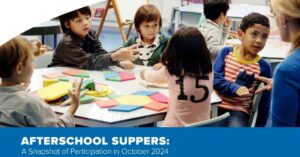
The Food Research and Action Center (FRAC) released their Afterschool Supper report that snapshots participation in October 2024. They found that afterschool supper participation has increased and that CACFP represents 50% of the daily participation.
Read More
The Stanford Center on Early Childhood released a RAPID report that looks at how issues of food insecurity and hunger are affecting adults who provide care for young children. Their key finding: hunger is on the rise among child care providers.
Read More
USDA released their second report on the Study of Nutrition and Activity in Child Care Settings (SNACS-II), which follow their first in 2022. SNACS-II uses data from program year 2022-23 to assess how well children’s diets and CACFP meals align with the Dietary Guidelines for Americans.
Read More
A recent study by our partners at Child Care Aware® of America reveals that parents across the nation are struggling to find affordable, high-quality child care. The survey shows that parents are piecing together multiple care arrangements and facing challenges balancing work and caregiving.
Read More
For more than four decades, Darcie Decker has helped shape the nutrition programs at Youth & Family Services (YFS) in Rapid City, South Dakota. As Nutrition Director, Darcie oversees both the organization’s on-site meal programs and its Child and Adult Care Food Program (CACFP) sponsorship of family child care homes across much of western South Dakota.
Read More
For nearly three decades, Pat Siergiey has dedicated her career to supporting child care providers and ensuring children across Vermont have access to nutritious meals through the Child and Adult Care Food Program (CACFP). Read about what her organization is doing to uplift the CACFP.
Read More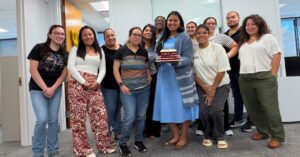
Sponsor of Family Child Care Homes September 8, 2026 Karen Velasco and Anabel Tejada have built their careers at Child Care Network of New York from the ground up. Today, they help lead one of New York’s largest CACFP sponsoring organizations, supporting more than 1,100 family child care homes and 13,348 participants across New York…
Read More
Tammy Urich is the CACFP Coordinator at Butte 4-C’s, a Montana Resource and Referral agency that sponsors 94 family homes serving over 1,500 children.
Read More
Bhavini Patel is the owner of Kirkland Child Care, located in her home in Kirkland, Washington state. Bhavini opened Kirkland Child Care 10 years ago and has been participating in the CACFP since the opening of her program.
Read More
Cheri Wood is the Nutrition Manager at Community Action Partners of North East Missouri (CAPNEMO). As a community action organization, CAPNEMO operates many programs including their sponsorship of the CACFP for Head Start and Family Child Care Homes.
Read More