Search results for: Farm to CACFP
40 Years of Advocacy for the CACFP Community
Back to Blog Back to Blog 40 Years of Advocacy for the CACFP Community July 3, 2026 For 40 years, the National CACFP Association has served as a voice for the Child and Adult Care Food Program (CACFP). Since our founding in 1986, advocacy has been central to our mission: ensuring that policymakers understand the…
Read MorePreparing for CACFP or SFSP Audits
The word ‘audit’ often evokes anxiety and unease for providers. It’s not a reflection of your confidence in your work but rather the apprehension of having it scrutinized by someone else. Even when you’re certain of following federal guidelines, why do you feel this way? How can you overcome these feelings and approach audits with confidence and composure?
Read MoreMeal Pattern Minute: Creditable Foods from Farmers Markets
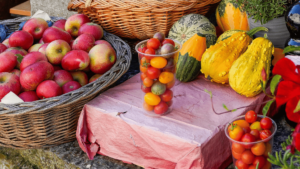
Can you purchase local, CACFP creditable foods from a farmers market?
Read MoreMeal Pattern Minute: Purchasing Milk Directly from a Farm
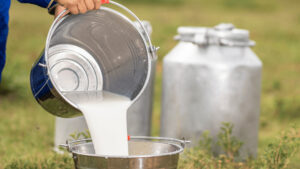
Can cow’s milk be purchased direcly from a farm and be creditablein the CACFP?
Read MoreNational CACFP Association Welcomes Newly Elected Board Members

The National CACFP Association (NCA) is proud to announce the election of three distinguished professionals to its Board of Directors, each bringing decades of experience, dedication and leadership to the USDA Child and Adult Care Food Program (CACFP).
Read MoreHead Start Farm to ECE Overview and Resource Guide
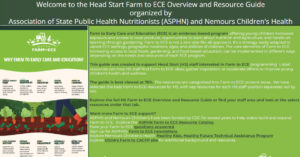
Our partners at the Association of State Public Health Nutritionists (ASPHN) and Nemours Children’s Health are pleased to share the Head Start Farm to ECE Overview and Resource Guide.
Read MoreMeal Pattern Minute: Juice from Farm Stands

Can juice from a farm stand be served in the CACFP?
Read MoreTwo Critical CACFP Bills Re-Introduced in Congress

Today, April 10th, two important CACFP bills were re-introduced in Congress. The Child Care Nutrition Enhancement Act and Early Childhood Nutrition Improvement work together to provide much-needed improvements for the CACFP and address challenges faced by CACFP operators.
Read MoreOpportunity for States to Access Funding to Purchase Local Food for CACFP
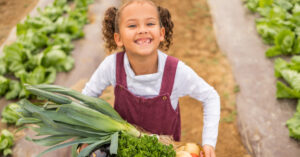
USDA released a Notice of Funding Opportunity on December 10, 2024, for State agencies to access funds to purchase and distribute local foods for schools and CACFP child care providers in their state. USDA has committed $188.6 million specifically for institutions participating in the CACFP. State agencies must submit a proposal in order to access these funds for the schools and CACFP providers in their state and there can only be one application per state. Funds will be awarded through a non-competitive process based on a formula using the meal counts of participants of the CACFP in each State. Cooperative agreements will be for a period of three years from the time of award.
Read MoreMeal Pattern Minute: CACFP Funds for a Garden
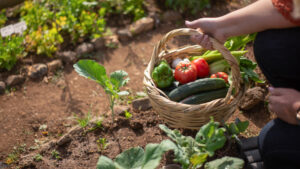
Can CACFP funds be used for supplies for an edible garden?
Read More