Creating Sustainable Food Access Through YMCA
December 4, 2025
Expanding Access to Afterschool and Summer Nutrition
At-Risk Afterschool (ARAS) is a key part of the CACFP, providing nutritious meals and snacks to children and teens up to age 18 once the school day ends. Each day, over 2.7 million children receive nutritious meals and/or snacks through At-Risk Afterschool programs. ARAS snack and supper can be offered at a variety of different sites, such as Boys & Girls Clubs or YMCAs.
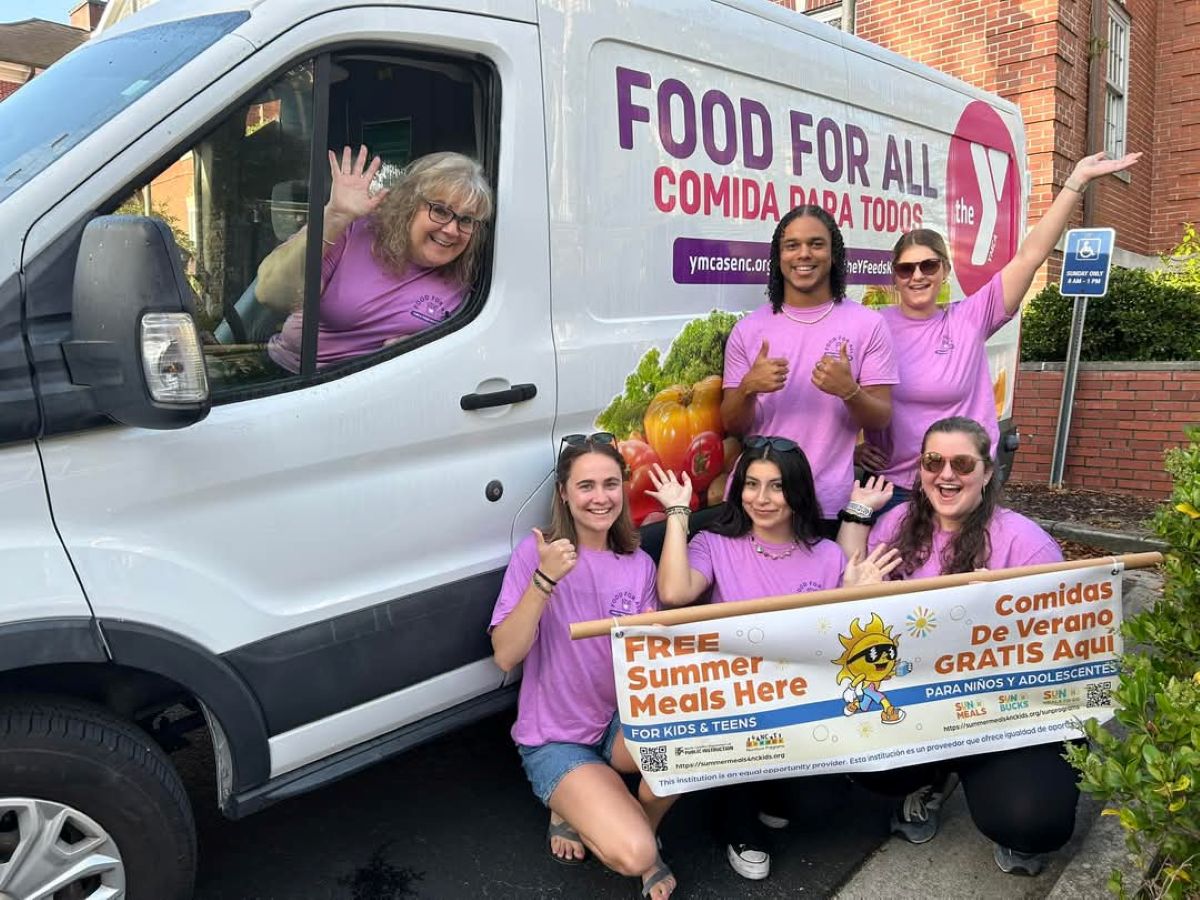
The YMCA of Southeastern North Carolina (YMCA SENC) acts as a sponsor and operator of CACFP At-Risk Afterschool and the Summer Food Service Program (SFSP). YMCA SENC began sponsoring the CACFP in 2021 and now runs ARAS programs at 26 affiliated sites. These sites are run at the YMCA afterschool programs located in elementary and middle schools. All YMCA SENC affiliated sites serve shelf-stable suppers that are presented as “super snacks,” so that parents and guardians don’t expect their children to have had a full meal afterschool. YMCA SENC has created 10 cycle menus that are rotated throughout the year.
This year, 2025, YMCA SENC began sponsoring unaffiliated sites and now has 18 operating under its sponsorship. Unaffiliated sites are run through another YMCA branch and a Boys and Girls Club, which collectively serve 1,200 children. YMCA SENC decided to sponsor these sites to help them participate in the program without having to self-sponsor and operate directly through the State Agency. YMCA SENC’s Senior Director of Food Services, Amy Hobbs has been working in the CACFP for 14 years and understands the challenges organizations face when trying to get started on the program. For that reason, she suggests that all organizations looking to be on the CACFP begin under another sponsoring organization and then work their way towards self-sponsorship.
“The first thing you need to do is get on board with a sponsor who understands the program. Spend some time in the weeds with somebody who can train you on how to do the program. Find somebody who can support you and help you learn the ins and outs of the program. Then, when you feel like you have your legs under you, you can self-sponsor.”
Not only is YMCA SENC actively working to expand access to the CACFP, but they are also dedicated to promoting and expanding access to the SFSP as well. The SFSP is a vital program that works hand-in-hand with CACFP ARAS. As ARAS can only be operated during the school year, SFSP comes in to provide meals during the summer months. In 2025, YMCA SENC operated nine congregate feeding sites at their summer day camps and eight rural non-congregate feeding sites. These programs combined served over 280,000 breakfast and lunches over the course of the summer.
YMCA SENC has constantly been innovating to expand and promote its SFSP sites. As a result, they have been awarded one of the Superior Site Awards for North Carolina and the Rural Non-Congregate Innovation Awards from the North Carolina Department of Public Instruction. In 2024, they also won the Turnip the Beet Award from the U.S. Department of Agriculture. Amy is driven to continue growing YMCA SENC’s SFSP sites and aims to expand their rural non-congregate sites into another county in summer 2026.
Amy is passionate about expanding access and participation in the CACFP and SFSP. In fact, Amy acts as a co-lead for a Food Peer Group through the North Carolina Alliance of YMCA’s and as an Anti-Hunger Thought Leader with YMCA of the USA, where she educates other YMCAs about the CACFP. Amy’s commitment to CACFP and SFSP stems from the programs’ ability to create sustainable food access in the communities they serve.
“One of the beautiful things about CACFP and SFSP is that they create sustainability when it comes to addressing food insecurity. I have kids that are on my programs that are coming to afterschool either free or on scholarship. I don’t know what’s happening at home. I don’t know whether they’ve got food security or what they have at home. But, if I can find a way to make sure that they’ve got something to eat, and if it requires me to do all the paperwork and jump through all the hoops for CACFP and SFSP, that’s what I’m going to do. If I can do it, so can you.”

While these programs are key to addressing food insecurity in the communities they serve, there are still many children who would benefit from these meals/snacks but do not currently participate. In 2023, 1 child for every 16 children who received a free or reduced-price school lunch was served by an Afterschool Meal Program. In addition, only 15 children received a summer lunch for every 100 who received a free or reduced-price school lunch during the 2022–2023 school year. YMCAs are community organizations that are focused on meeting the needs of those in their area. As such, they are perfectly positioned to address food insecurity needs for children and families in their community.