
CACFP Improves Diet Quality of Children and Reduces Sugar Consumption
March 12, 2026
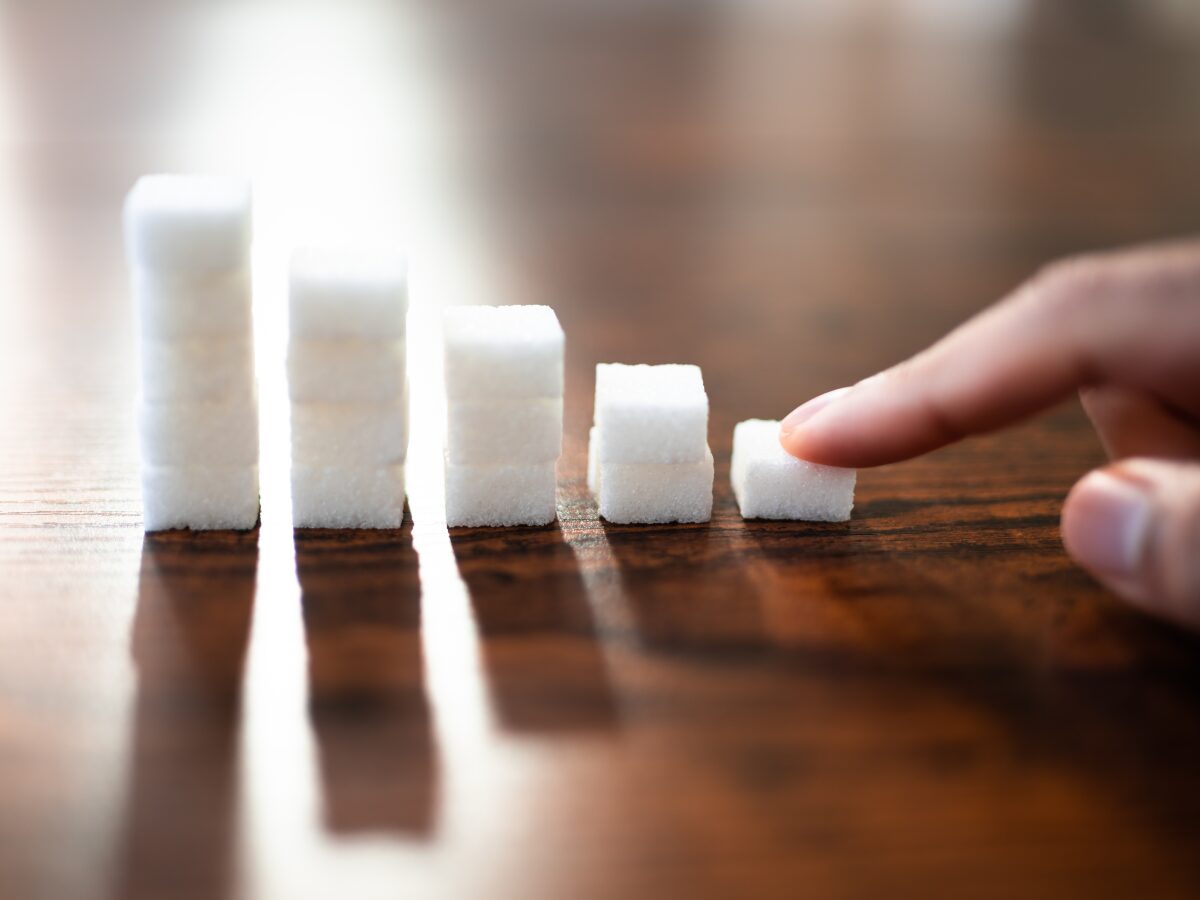
The USDA’s Child and Adult Care Food Program (CACFP) provides “nutritious foods that contribute to the wellness, healthy growth and development of young children.” Limiting sugar in children’s diets is an accepted recommendation within the scientific community and has appeared in the Dietary Guidelines for Americans (DGAs) since the first edition in 1980.[i] The CDC finds that Americans consume too many added sugars, which can lead to weight gain, obesity, type 2 diabetes and heart disease.[ii] There have been continuous efforts in USDA’s Child Nutrition Programs to reduce the intake of sugar in order to mitigate the risks of diet-related diseases in children.
In the Second Study of Nutrition and Activity in Child Care Settings, USDA assessed the nutritional quality of CACFP meals served.[iii] Using the Healthy Eating Index (HEI), USDA evaluated how well CACFP meals aligned with the recommendations of the 2020-2025 DGAs. The study found that children in care consumed fewer calories from added sugars and operators scored 96 percent at breakfast and 100 percent at lunch for limiting added sugars. In fact, children had better overall diet quality on days when they were in care compared to days they were not in care.
To ensure that CACFP meets the nutrient needs of young children and aligns with scientific recommendations, the Healthy, Hunger Free Kids Act of 2010 (HHFK) implemented a requirement for USDA to update the CACFP meal patterns based on the DGAs. Since the passage of HHFK, the CACFP meal patterns have been updated multiple times to reflect best practices in reducing added sugar intake among children.
In 2016, the USDA released a final rule that made revisions to the CACFP meal pattern related to HHFK.[iv] The rule implemented many updates that reduced the amount of sugar present in CACFP meals. Requirements included:
- Restricting the service of 100%, full-strength juice to once per day
- Limiting total sugars in breakfast cereals to no more than 6 grams of total sugar per dry ounce
- Limiting total sugars in yogurt to no more than 23 grams of total sugars per 6 ounces
- Prohibiting flavored milk for children under the age of 6
- Disallowing grain-based desserts from counting towards the grains requirement
HHFK also created best practices for the CACFP that did not make regulatory changes to the CACFP meal pattern but provided further recommendations to enhance the quality of meals.[v] Two of the best practices pertaining to the limitation of sugars, included:
- Serve only unflavored milk to all participants. If flavored milk is served to children 6 years old and older or to adults, use the Nutrition Facts Label to select and serve flavored milk that contains no more than 22 grams of sugar per 8 fluid ounces, or the flavored milk with the lowest amount of sugar if flavored milk within the sugar limit is not available.
- Avoid serving non-creditable foods that are sources of added sugars, such as sweet toppings (e.g., honey, jam, syrup), mix-in ingredients sold with yogurt (e.g., honey, candy or cookie pieces), and sugar-sweetened beverages (e.g., fruit drinks or sodas).
In 2024, the USDA updated the CACFP meal pattern again to align with the 2020-2025 DGAs.[vi] The final rule changed sugar limits from total sugars to added sugars, including:
- Breakfast cereals must contain no more than 6 grams of added sugars per dry ounce.
- Yogurt must contain no more than 12 grams of added sugars per 6 ounce.
With the release of the 2025-2030 DGAs, another update is expected for the CACFP meal patterns. There are multiple recommendations in the 2025-2030 DGAs regarding added sugars, however many of them are already being met by the current regulations for the CACFP meal pattern. For instance, the DGAs recommend avoiding foods that are sweet such as cookies and candy that have added sugars. Grain-based desserts, sugar-sweetened beverages (other than milk) and candy are not creditable as part of the reimbursable meal. Only milk and 100% full-strength juice are creditable beverages in the CACFP and juice is further restricted to only once per day. Finally, the DGAs recommend limiting added sugars in grain snacks and yogurts. As mentioned above, the CACFP has incorporated added sugar limits for breakfast cereals and yogurts. All of these meal pattern requirements work to ensure that children are receiving high-quality, nutritious meals that support their growth and development.
CACFP operators have continued to adapt to new regulations that have been implemented to align with the DGAs. The community awaits another update to the CACFP meal pattern to be consistent with the 2025-2030 DGAs. The National CACFP Association looks forward to providing feedback on a proposed rule that improves the diet quality of children.
References
[i] 1980 Dietary Guidelines for Americans (1980). U.S. Department of Agriculture and U.S. Department of Health and Huma Services.
[ii] Get the Facts: Added Sugars (2024). .S. Centers for Disease Control and Prevention.
[iii] Forrestal, Sarah, Maria Boyle, Rachel Bleiweiss-Sande, Rebecca Franckle, Mindy Hu, Jennifer Kali, Theresa Neelan, and Katherine Niland (2025). Second Study of Nutrition and Activity in Child Care Settings: Summary of Findings. Report submitted to the Food and Nutrition Service, U.S. Department of Agriculture. Chicago, IL: Mathematica, July 2025.
[iv] Child and Adult Care Food Program: Meal Pattern Revisions Related to the Healthy, Hunger-Free Kids Act of 2010 (2016). U.S. Department of Agriculture, Food and Nutrition Service.
[v] CACFP Best Practices (2024). U.S. Department of Agriculture, Food and Nutrition Service.