
2025-2030 Dietary Guidelines for Americans Released
January 8, 2026
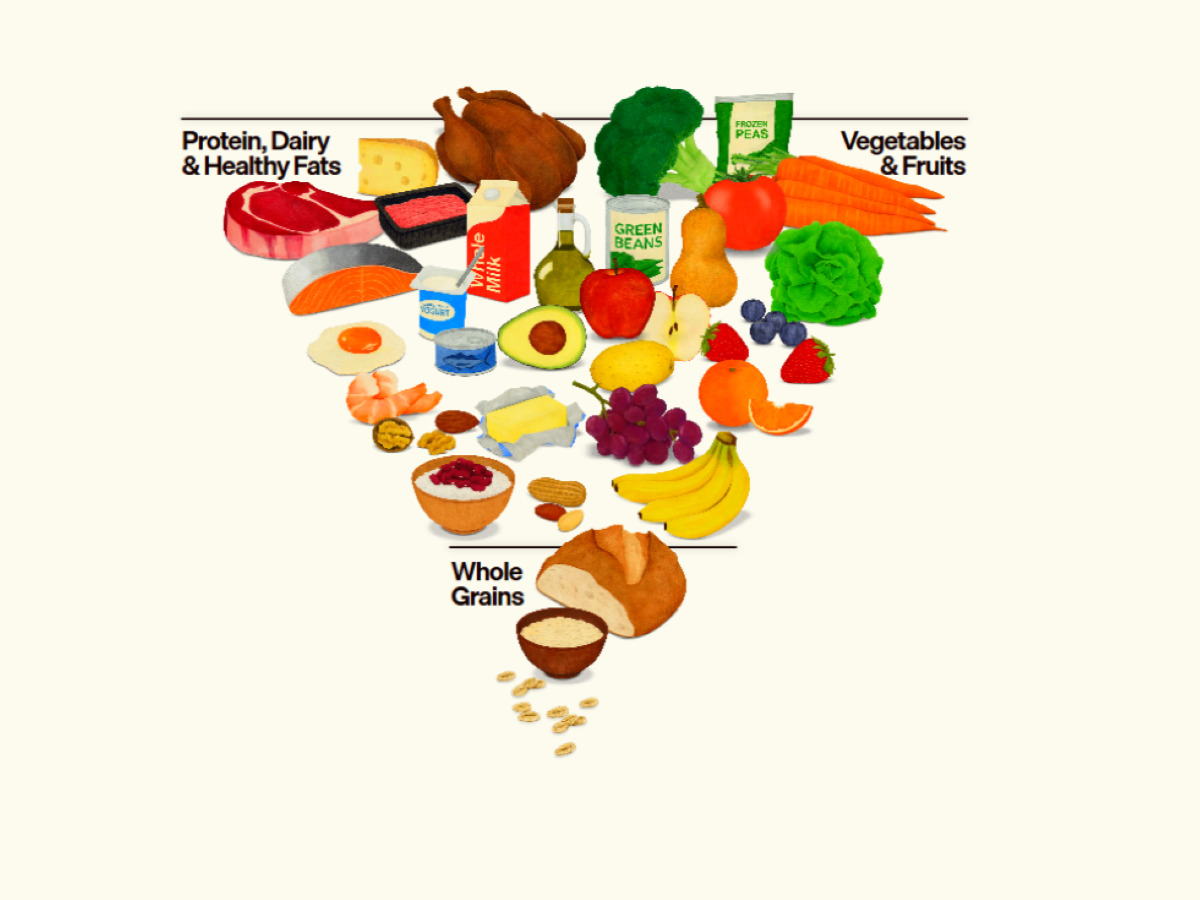
On January 7, 2026, the United States Department of Agriculture and Department of Health and Human Services released the 2025-2030 Dietary Guidelines for Americans (DGAs). The DGAs are updated every five years based on the most recent health and nutrition research. The 2025-2030 DGAs recommend prioritizing high-quality protein, healthy fats, fruits, vegetables and whole grains, while avoiding highly processed foods and refined carbohydrates.
Key Recommendations
Eat the Right Amount for You
- The calories you need depend on your age, sex, height, weight, and level of physical activity.
- Pay attention to portion sizes, particularly for foods and beverages higher in calories.
- Hydration is a key factor in overall health. Choose water (still or sparkling) and unsweetened beverages.
Prioritize Protein Foods at Every Meal
- Prioritize high-quality, nutrient-dense protein foods as part of a healthy dietary pattern.
- Consume a variety of protein foods from animal sources, including eggs, poultry, seafood, and red meat, as well as a variety of plant-sourced protein foods, including beans, peas, lentils, legumes, nuts, seeds, and soy.
- Swap deep-fried cooking methods with baked, broiled, roasted, stir-fried, or grilled cooking methods.
- Consume meat with no or limited added sugars, refined carbohydrates or starches, or chemical additives. If preferred, flavor with salt, spices, and herbs.
- Protein serving goals: 1.2–1.6 grams of protein per kilogram of body weight per day, adjusting as needed based on your individual caloric requirements.
Consume Dairy
- When consuming dairy, include full-fat dairy with no added sugars. Dairy is an excellent source of protein, healthy fats, vitamins, and minerals.
- Dairy serving goals: 3 servings per day as part of a 2,000-calorie dietary pattern, adjusting as needed based on your individual caloric requirements.
Eat Vegetables & Fruits Throughout the Day
- Eat a variety of colorful, nutrient-dense vegetables and fruits.
- Eat whole vegetables and fruits in their original form. Wash thoroughly prior to eating raw or cooking.
- Frozen, dried, or canned vegetables or fruits with no or very limited added sugars can also be good options.
- If preferred, flavor with salt, spices, and herbs.
- 100% fruit or vegetable juice should be consumed in limited portions or diluted with water.
- Vegetables and fruits serving goals for a 2,000-calorie dietary pattern, adjusting as needed based on your individual caloric requirements:
- Vegetables: 3 servings per day
- Fruits: 2 servings per day
Incorporate Healthy Fats
- Healthy fats are plentiful in many whole foods, such as meats, poultry, eggs, omega-3–rich seafood, nuts, seeds, full-fat dairy, olives, and avocados.
- When cooking with or adding fats to meals, prioritize oils with essential fatty acids, such as olive oil. Other options can include butter or beef tallow.
- In general, saturated fat consumption should not exceed 10% of total daily calories. Significantly limiting highly processed foods will help meet this goal. More high-quality research is needed to determine which types of dietary fats best support long-term health.
Focus on Whole Grains
- Prioritize fiber-rich whole grains.
- Significantly reduce the consumption of highly processed, refined carbohydrates, such as white bread, ready-to-eat or packaged breakfast options, flour tortillas, and crackers.
- Whole grains serving goals: 2–4 servings per day, adjusting as needed based on your individual caloric requirements.
Limit Highly Processed Foods, Added Sugars, & Refined Carbohydrates
- Avoid highly processed packaged, prepared, ready-to-eat, or other foods that are salty or sweet, such as chips, cookies, and candy that have added sugars and sodium (salt). Instead, prioritize nutrient-dense foods and home-prepared meals. When dining out, choose nutrient-dense options.
- Limit foods and beverages that include artificial flavors, petroleum-based dyes, artificial preservatives, and low-calorie non-nutritive sweeteners.
- Avoid sugar-sweetened beverages, such as sodas, fruit drinks, and energy drinks.
- While no amount of added sugars or non-nutritive sweeteners is recommended or considered part of a healthy or nutritious diet, one meal should contain no more than 10 grams of added sugars.
- When selecting snack foods, added sugar limits should follow FDA “Healthy” claim limits. For example, grain snacks (e.g., crackers) should not exceed 5 grams of added sugar per ¾ ounce whole-grain equivalent, and dairy snacks (e.g., yogurt) should not exceed 2.5 grams of added sugar per ⅔ cup equivalent.
Limit Alcoholic Beverages
- Consume less alcohol for better overall health.
- People who should completely avoid alcohol include pregnant women, people who are recovering from alcohol use disorder or are unable to control the sodium amount they drink, and people taking medications or with medical conditions that can interact with alcohol. For those with a family history of alcoholism, be mindful of alcohol consumption and associated addictive behaviors.
Sodium
- Sodium and electrolytes are essential for hydration. The general population, ages 14 and above, should consume less than 2,300 mg per day of sodium. Highly active individuals may benefit from increased sodium intake to offset sweat losses.
- For children, the recommendations vary by age:
- Ages 1–3: less than 1,200 mg per day
- Ages 4–8: less than 1,500 mg per day
- Ages 9–13: less than 1,800 mg per day
- Highly processed foods that are high in sodium should be avoided.
The DGAs provide additional considerations for special populations, such as infants, children, and older adults. For more information, read the 2025-2030 Dietary Guidelines for Americans or visit realfood.gov. USDA and HHS also released a document on the Daily Servings By Calorie Level, The Scientific Foundation for the Dietary Guidelines for Americans, and associated Appendices.