Preventing Lead Poisoning
Institute of Child Nutrition (ICN)
December 10, 2025
Ensuring the safety and well-being of children is a top priority for parents and caregivers. One critical aspect of maintaining a safe environment is preventing lead poisoning, a severe health risk that can have long-lasting effects on young children. This Mealtime Memo from our partners at ICN defines lead, identifies lead sources, describes the health effects of lead exposure, explains why children are at risk, and shares important information on how to prevent lead poisoning.
What is Lead?
Lead is a highly toxic, naturally occurring metal in the environment that can cause negative health effects.
Why is Lead a Concern in the CACFP
The Environmental Protection Agency (EPA) states that child care facilities and schools may have higher lead levels in drinking water, because these facilities are closed for extended periods, such as holidays and breaks. The EPA’s 3T’s (Training, Testing, and Taking Action) toolkit provides information to help child care programs reduce lead in drinking water.
Sources of Lead
Sources of lead exposure can include the following:
- Chipping or peeling paint in homes or buildings built before 1978
- Drinking water from lead pipes
- Soil near old homes, airports, highways, or factories
- Some imported candies, spices, medical products, cosmetics, jewelry, antique ceramics, and pottery dishes glazed with lead
- Some imported and antique toys
- Find photos and descriptions of currently recalled toys at cpsc.gov/recalls
- Hobby materials such as stained glass or fishing weights
Health Effects of Lead
No amount of lead is safe. Even low levels of lead in the blood can cause:
- Anemia
- Slowed growth and development
- Learning and behavior problems
- Hearing and speech problems
- Damage to the kidney, brain, and nervous system
These health issues can result in:
- Decreased IQ over time
- Difficulty paying attention
- Lower academic performance
- Increased aggressive behavior
A blood test is the only way to know if a child has been exposed to lead.
Why are Children at Risk for Lead Poisoning?
Children are more at risk for lead poisoning because behaviors like crawling on the floor and putting objects in their mouths increase the chances of ingesting lead from dust, paint chips, or contaminated surfaces.
Preventing Lead Poisoning
Here are ways to prevent lead poisoning:
- Nutrition: Healthy meals and snacks that include foods with calcium, iron, and vitamin C may help prevent lead absorption.
- Toys: Wash toys regularly, especially ones put in children’s mouths. Check toys for chipping paint. Do not use old or imported toys unless you know they are lead-free.
- Wash Hands: Ensure all children wash hands after playing outside and before eating.
- Clean: Wipe down counters, tables, and food preparation areas thoroughly. Wet-wipe and wet-mop floors, baseboards, windowsills, and entryways regularly.
- Inspect: Check often for chipping and peeling paint if your facility was built before 1978. Move cribs and furniture away from possible sources of lead.
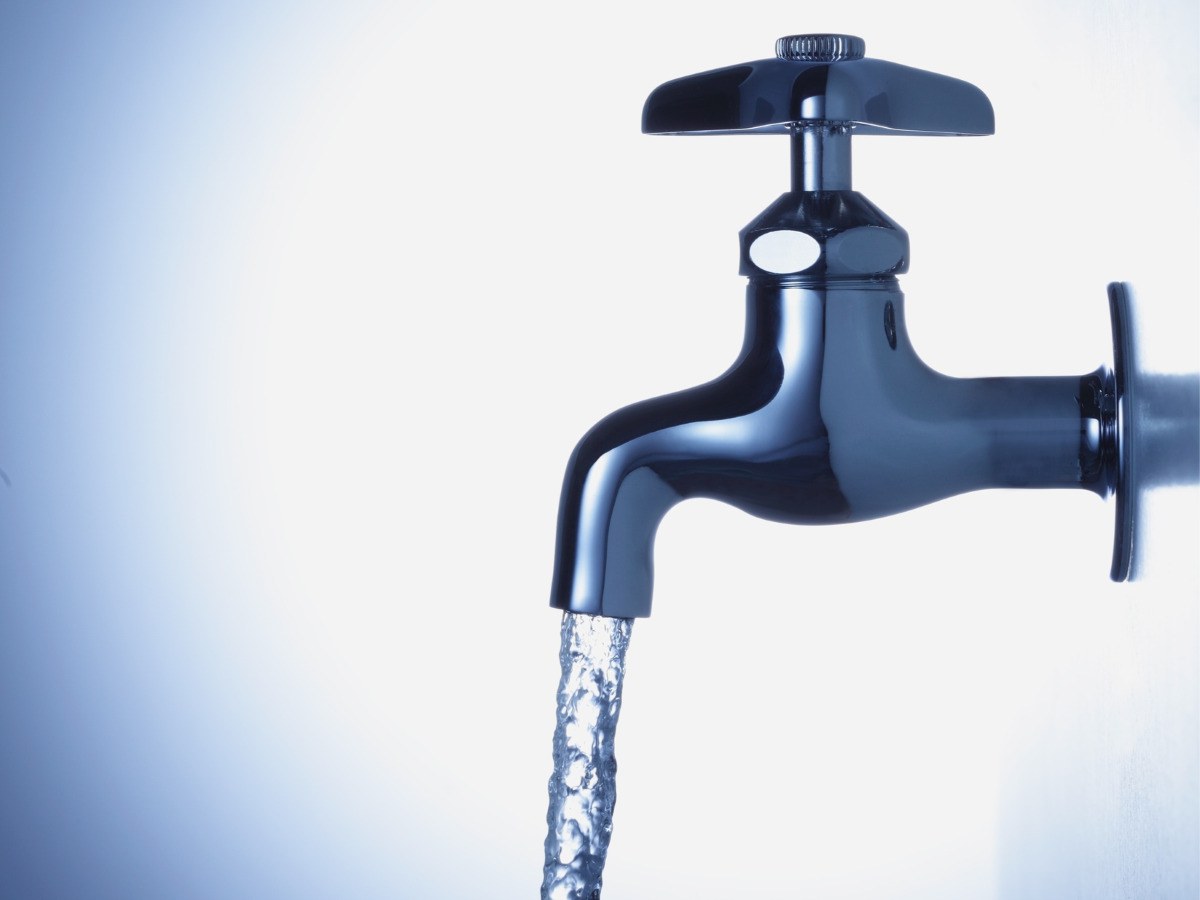
- Tap Water: To reduce lead levels, let cold water run from the tap for at least 30 seconds (up to a few minutes) before using it for cooking, drinking, or mixing baby formula. Always use cold water, as hot water is more likely to contain lead.
For even more information, check out ICN’s December Mealtime Memo.