Egg Allergy Awareness
Institute of Child Nutrition
May 7, 2026
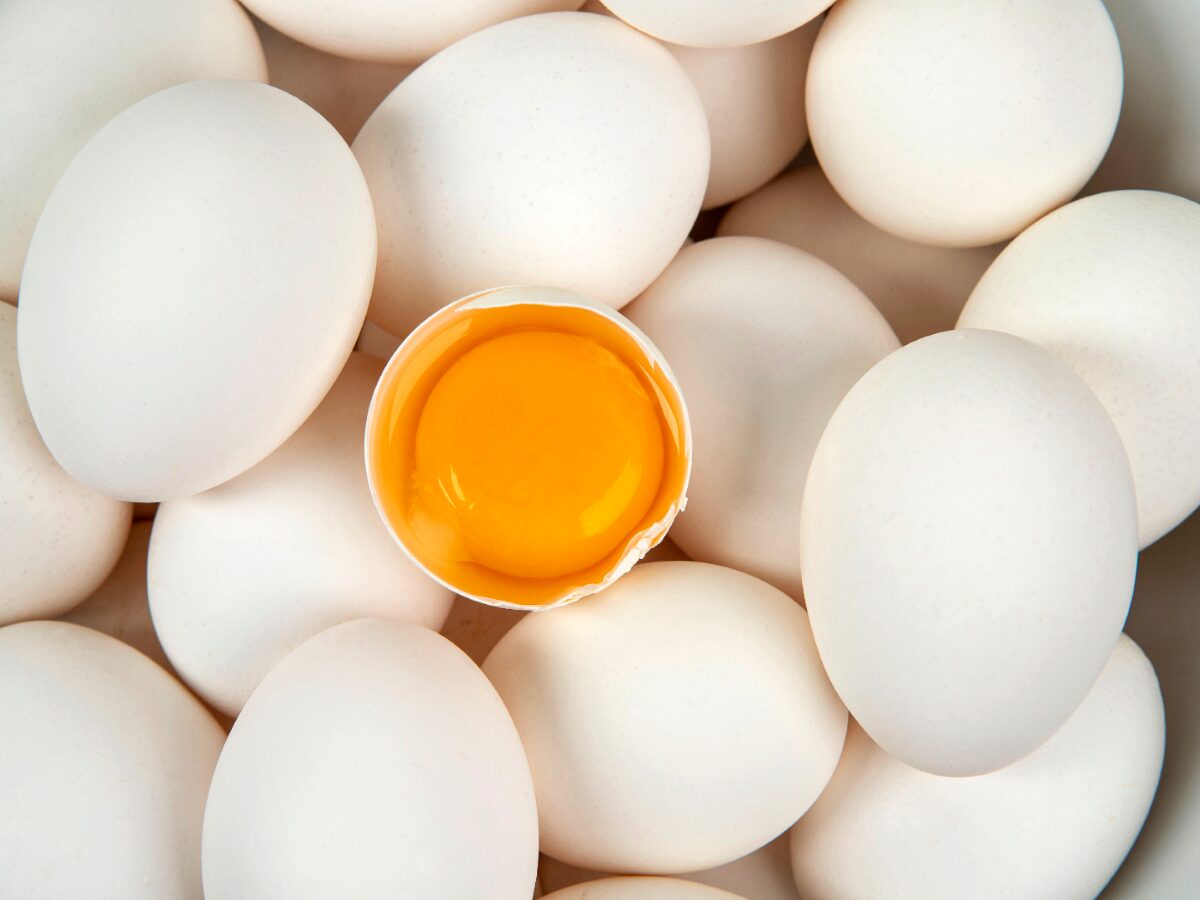
Food Allergy Awareness Week (May 10–16) is a great time to review how your program keeps children safe from food allergies. One of the most common allergies in young children is eggs. In this Mealtime Memo, our partners at ICN crack open the basics of egg allergy safety—what to know, what to avoid, and how to keep every child safe at mealtime.
What Is an Egg Allergy?
Egg allergies are one of the most common food allergies in children under the age of five. An egg allergy occurs when the body mistakenly identifies proteins in eggs as harmful. Even a small amount of egg can cause a serious reaction. The good news is that many children outgrow egg allergies as they grow up.
Foods to Avoid
Eggs can be found in many foods, even ones that don’t seem like they would contain eggs. Be sure to check ingredient lists carefully on these common items:
- Baked goods (cakes, muffins, cookies)
- Pancakes and waffles
- Meatballs and meatloaf
- Mayonnaise and salad dressings
- Pasta (like egg noodles)
- Fried rice
- Processed meats
- Marshmallows and pretzels
- Sauces and surimi (imitation seafood)
For a complete list of foods that may contain egg, check out the ICN Egg Allergy Fact Sheet.
Label Reading 101: Spot the Egg!
Reading food labels is one of the best ways to prevent allergic reactions. By law, manufacturers must list the top nine food allergens, including eggs, on food packaging. Here’s how “egg” might show up:
- Within the ingredient list, in bold: egg yolk, egg white, or whole egg
- In the ingredient list, in parentheses: albumin (egg)
- After the ingredients list, in a “Contains” statement: Contains: Egg
Even if a product doesn’t list eggs, cross-contact can still happen. Watch out for advisory statements such as:
- “May contain egg”
- “Made on equipment that also processes egg”
- “Manufactured in a facility that also processes egg”
Do not serve these foods to children with egg allergies. For more help, see How to Read a Food Label from Food Allergy Research & Education (FARE).
Avoiding Cross-Contact
Even if you avoid obvious egg-containing foods, cross-contact can happen during meal prep or service. Use these steps to keep meals egg-free:
- Wash hands properly.
- Wash, rinse, and sanitize all surfaces like counters, cutting boards, dishes, and utensils before prep begins.
- Prepare allergen-free meals first.
- Use color-coded or separate tools and prep areas.
- Label and store egg-free foods in their own space.
- If you are unsure whether the food is safe, do not serve it; it’s better to be safe!
- Remind children not to share food, drinks, or utensils.
Consistency matters. Every staff member helps prevent cross-contact.
Meal Modifications
- If you participate in the Child and Adult Care Food Program (CACFP), you must provide safe, nutritious meals and snacks for children with food allergies.
- You can often meet CACFP meal pattern requirements by replacing eggs with another meat or meat alternate. No special substitution is needed.
- If a child’s needs cannot be met within the meal pattern, you will need a medical statement signed by a State licensed healthcare professional (someone allowed to write prescriptions under State law) or registered dietitian. For more details, see the USDA Policy Memo on modifications to accommodate disabilities.
What to Do When a Child Has an Egg Allergy
When a child in your care has an egg allergy, communication and consistency are key:
- Clearly mark foods on the menu that have eggs.
- Read ingredient labels every time you shop or cook.
- Keep a close eye on children during meals.
- Make sure all staff know how to recognize allergy symptoms and what to do in an emergency.
By working together and staying alert, you help make mealtimes safe, inclusive, and enjoyable for every child in your care!
Read the Institute of Child Nutrition’s full May Mealtime Memo.