
Supporting Healthy Nutrition in Early Education & Care Settings
September 2, 2026
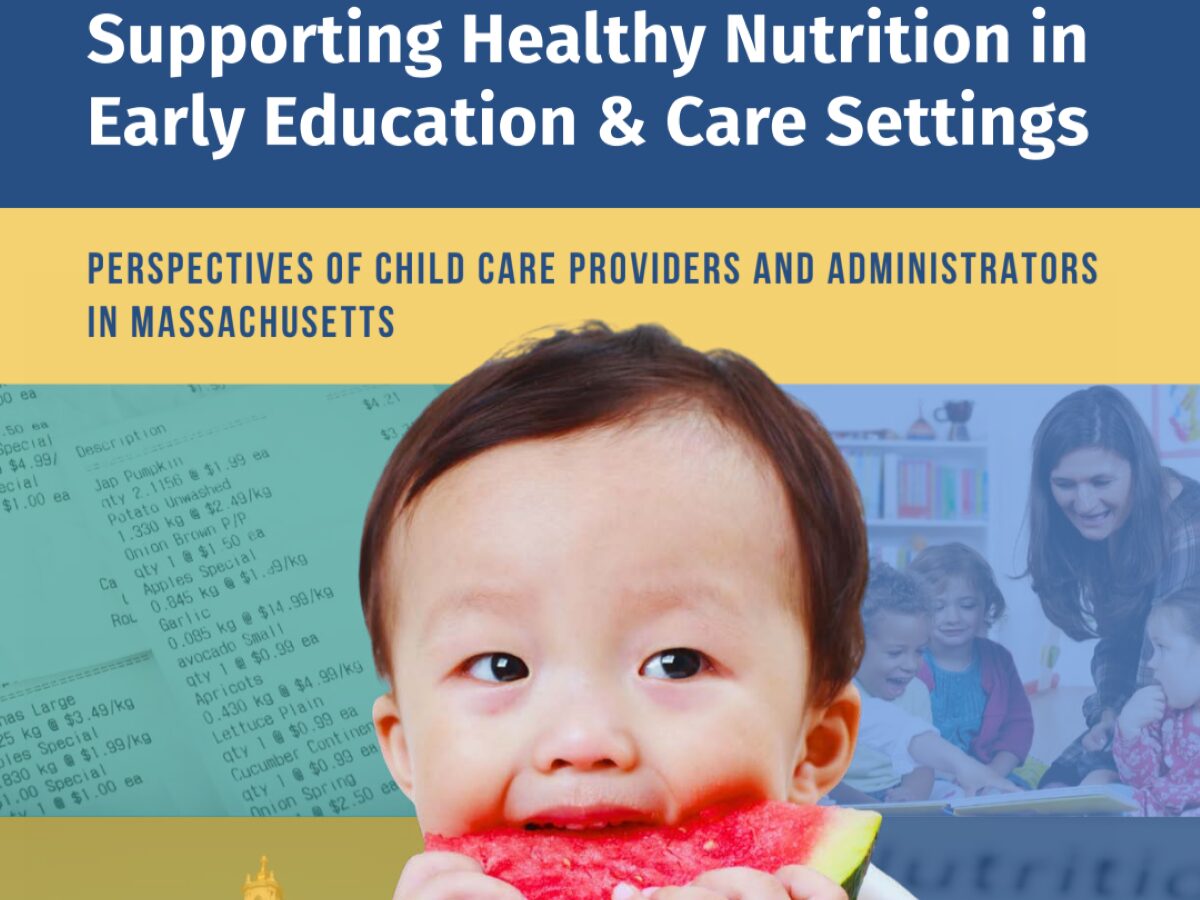
A new report from Children’s HealthWatch examines how child care providers are navigating the growing challenge of serving nutritious meals to young children amid rising food costs, staffing shortages, and complex program requirements. Drawing on interviews with child care providers, advocates, state administrators, and survey data from more than 1,400 caregivers, the report finds that providers deeply value nutrition but often lack the resources and support needed to deliver it consistently.
Why It Matters
For CACFP operators, this report reinforces what many providers and Sponsors have long known: nutritious meals are essential to children's healthy growth and development, but the financial and administrative realities of child care make it increasingly difficult to provide them. While the report highlights the significant benefits of CACFP participation, it also raises concerns about low reimbursement rates, burdensome paperwork, and inconsistent oversight that can discourage participation. Its findings provide important support for ongoing efforts to strengthen CACFP and improve access to healthy meals for young children.
Child Care Providers Are Struggling with the Rising Cost of Food
The report identifies food costs as one of the most significant financial pressures facing child care providers. Providers described operating on extremely thin margins while trying to purchase nutritious foods amid continued inflation. Several participants noted that reimbursement and operational funding often fail to keep pace with the actual cost of providing meals.
Researchers found that providers frequently must balance food quality against affordability. Many expressed a desire to serve more fresh produce and higher-quality ingredients but reported that limited budgets force difficult tradeoffs. The report recommends increasing operational funding and using cost-of-care models that accurately reflect the true expense of feeding children healthy meals.
Nutrition Guidance Is Often Fragmented and Inadequate
Providers reported receiving nutrition guidance from multiple agencies and programs, creating confusion and inconsistency. While federal and state standards establish minimum requirements, some providers questioned whether current nutrition standards adequately support children's health. Others noted that meeting meal pattern requirements does not always translate into children consuming enough nutritious food.
The report recommends creating clearer, evidence-based nutrition guidance tailored specifically to infants and young children and making those resources more accessible to providers.
Culturally Relevant Foods Remain a Challenge
Providers expressed strong interest in serving foods that reflect the cultures and traditions of the children and families they serve. However, they reported challenges in determining how culturally diverse meals fit within existing CACFP meal pattern requirements and technical assistance materials.
Researchers recommend additional training and technical assistance to help providers document and credit culturally relevant foods while ensuring children receive nutritious meals that reflect their backgrounds and experiences.
Policymakers Often Overlook Nutrition Support for Young Children
One notable finding was that some policymakers assume universal school meal programs extend to younger children in child care settings, when they do not. The report argues that infants and toddlers remain largely excluded from nutrition policies that support older children and recommends educating policymakers about this gap while exploring ways to extend meal support to children in early care settings.
CACFP Is Essential, But Many Providers Face Significant Barriers
The report finds that the program remains a critical source of nutrition support, yet many providers struggle with its complexity.
"…previous literature and results from this study also indicate that providers sometimes find 'the juice isn't worth the squeeze'."
Researchers found that providers value CACFP's nutrition benefits but often cite administrative burden, complex recordkeeping requirements, reimbursement challenges, and oversight concerns as barriers to participation. Many providers described spending significant time navigating eligibility rules, meal pattern requirements, and documentation processes while receiving reimbursements that do not fully cover food costs.
At the same time, the report demonstrates the program's positive impact. Children in settings participating in CACFP were nearly four times more likely to have a diverse diet and nearly six times more likely to consume fruits and vegetables compared with children in similar settings not participating in CACFP.
The report also highlights challenges facing family child care homes, including disparities between Tier I and Tier II reimbursement rates and the financial strain placed on CACFP sponsors that administer the program for family child care providers. Researchers recommend state-funded reimbursement supplements, increased support for sponsors, and a review of state-added requirements that may discourage participation.
Looking Ahead
The report concludes that improving nutrition in child care requires more than asking providers to do more with less. Instead, it calls for stronger investments in child care, higher reimbursement levels, better technical assistance, improved coordination among state agencies, and policies that reflect the realities providers face every day.
For CACFP advocates and operators, the findings offer both validation and opportunity. The research confirms that CACFP is one of the most effective tools available to improve children's access to nutritious foods, while underscoring the need to reduce administrative barriers and ensure reimbursement rates better reflect the true cost of serving healthy meals.
Read the full policy report Supporting Healthy Nutrition in Early Education & Care Settings: Perspectives of Child Care Providers and Administrators in Massachusetts.